
🇬🇧

Documentation

Glossary

QR Code Workflow#

QR codes connect an object or assembly sheet in Production Assist to its view in the online project. You can display a code on screen, print it on a label, and scan it with a Production Assist scanner. QR codes contain a project link, so the project must be saved online.

QR code types#

  • Object QR code: Opens the online view of an individual object. The code appears in the object's Object Properties when an online link is available. Scanning it in the desktop app selects the object in the drawing. You can also add an object QR code to a label template and print it on the object's label.
  • Assembly sheet QR code: Links to an assembly sheet in the online project. In the Worksheet Window, the code appears beside the properties of the selected assembly sheet. Scanning it in the desktop app opens the linked assembly sheet.
  • Project QR code: The Share Project Link... dialog displays a QR code for the general project link. Scanning it opens the online project. For details, see Retrieving Data Online / Project Website & QR Code.

A QR code is not a separate record. It points to the online address of an object, assembly sheet, or project. Transfer changes to the online project before other people can see the latest version online.

Create an assembly sheet for an area#

An assembly sheet groups objects for a setup or work area. You can create one for selected objects or for an assembly group, layer, or class. You do not need a separate object for the assembly sheet itself.

  1. In the Scene Tree or Renderer, select the objects or assembly group you want. To create a sheet for an entire layer or class, you can instead use the paper icon in Navigation.
  2. Open Create Assembly Sheet. Depending on your selection, use the Create Assembly Sheet command or click the paper icon beside the layer or class.
  3. Under Name, enter a name or name suffix. If needed, select Linked Preset and Linked Timeline Step.
  4. Confirm with OK. If you selected multiple objects or assembly groups, Production Assist creates a separate assembly sheet for each one. Select an assembly sheet in the Worksheet Window to display its QR code.

The User list is not currently populated reliably. Assign drawing users in the User column after creating the sheet. For other ways to create assembly sheets and additional settings, see Assembly Sheets.

  1. Open File → Create Print Label PDF... and select a label template for objects.
  2. In the template's Edit Mode, add a Print Label Field. In Object Properties → Print Label Field, set Field Type to QR Code.
  3. Save the template and export the labels as a PDF. If needed, select an assembly sheet to limit which objects are included.
  4. Scan the QR code on the printed label with Production Assist.

Object-information QR codes work only with an online project. Without a public share link, people who open the link need access to the project. If you select a public share link in the export dialog, anyone with the link can view the online information. For details about filters and sharing, see Exporting a Label as PDF.

Scan a QR code#

In the desktop app, open the scanner with the default G key (Show QR Code Reader) or the Camera icon in the Menu Bar. The Renderer also has a Camera mode in the tool selector. On iOS and in the web app, open the scanner with the corresponding Camera button. The scanner requires an available camera and permission to access it.

The iOS Simulator does not provide a device camera. Verify scanning on a physical iPhone or iPad. A Debug build on a physical device is not restricted by an app debug setting; it still requires camera permission.

  1. Aim the camera so the entire QR code is inside the viewfinder.
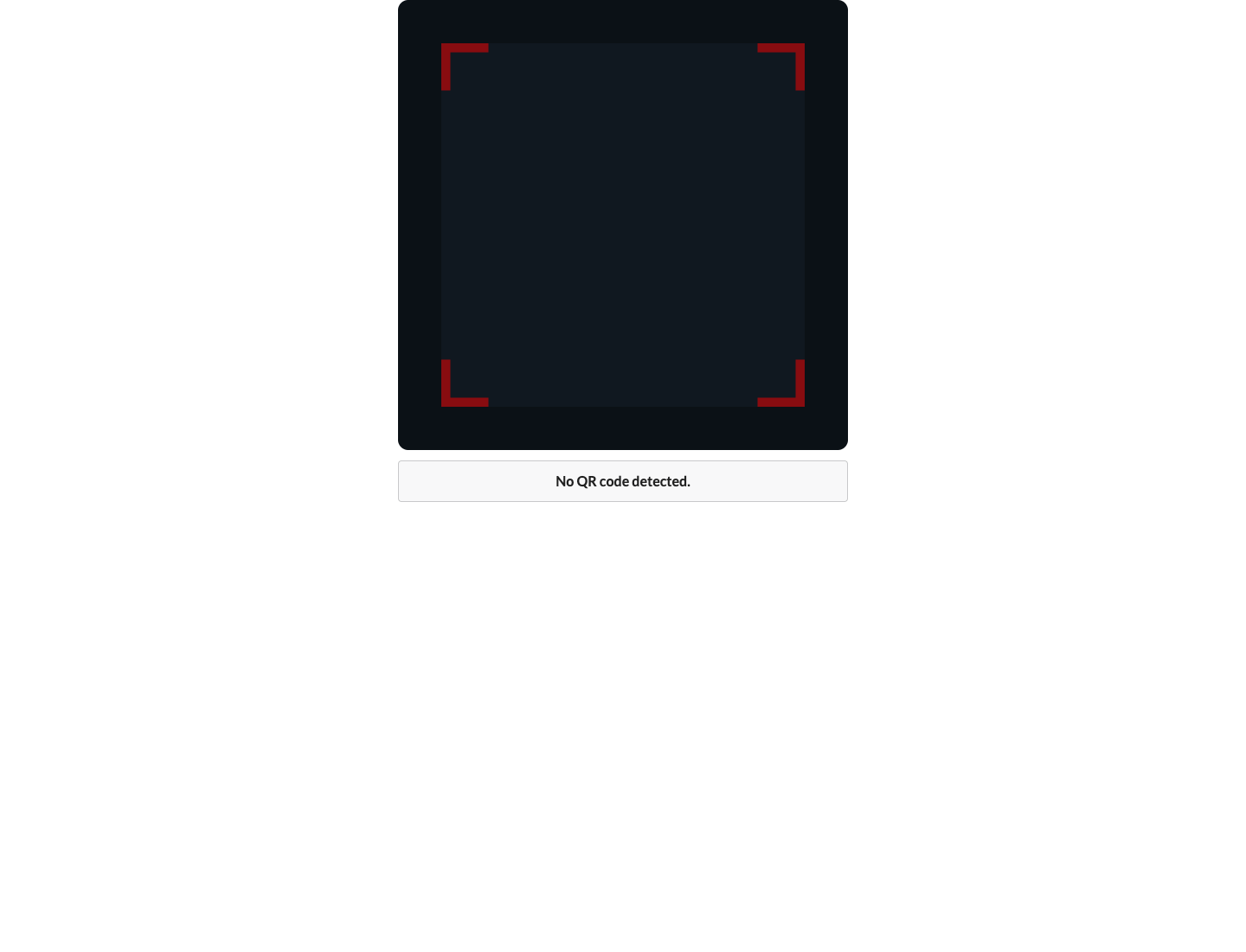
  2. Wait for it to be recognized. The viewfinder turns green when a code is recognized. A yellow frame indicates a read error; a red frame means no code has been recognized yet.
  3. In the desktop app, a Production Assist object link selects the object, and an assembly sheet link opens the assembly sheet. In the web app, the scanner opens the link in the browser.

The scanner processes Production Assist links. Other QR codes, such as general website or Wi-Fi codes, are not supported by this workflow. If the scanner does not recognize a code, check camera access, lighting, and alignment, then try again.
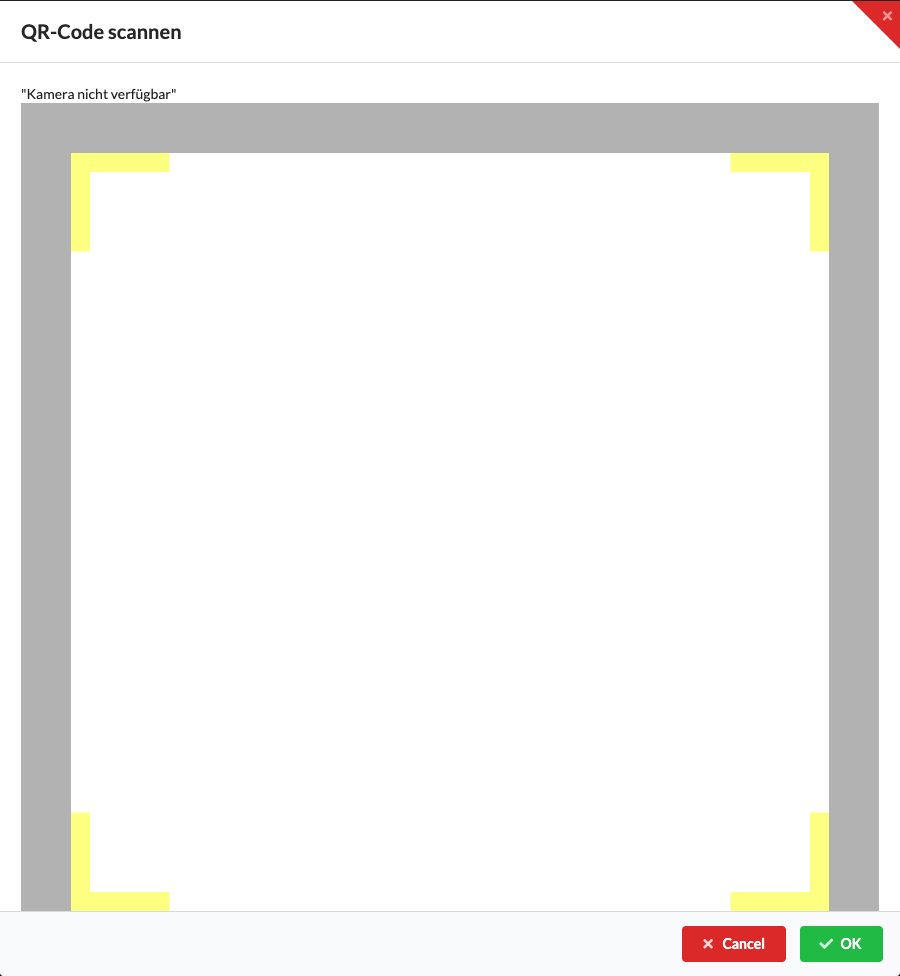
QR code scanner in the desktop app; the example shows “Camera not available” and a yellow viewfinder

QR code scanner in the web app with a red viewfinder

The following views show the viewfinder states: red while scanning, green after recognition, and yellow when a read error occurs. These are component captures and do not show actual project or camera data.


Viewfinder searching for a QR code

Viewfinder after successful recognition

Viewfinder after a read error

Access and online status#

Scanning a code does not grant project access. Without a public share link, only people with the required project permissions can open the linked online data. With a public share link, anyone who has the link can view the shared online version. Transfer changes to the online project first so the link opens the latest project version. For more information, see the online workflow.